
To validate BioGill Nano-ceramic membrane™ capability as an effective biofiltration system for aquaculture ponds. The key measures are to:
To validate BioGill Nano-ceramic membrane™ capability as an effective biofiltration unit in a RAS (Recirculation Aquaculture System). The key measures are to:
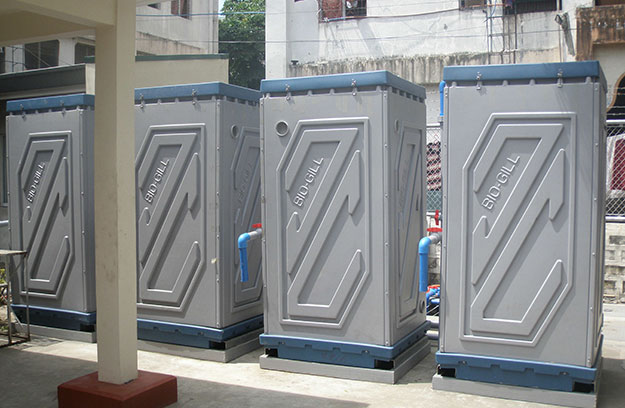
A large urban water authority in the Philippines wanted to reduce power consumption and treat sewage for environmentally friendly discharge to nearby water ways.
Read more about this case studyMantaray Island opened its doors to travellers as an eco-resort in 2004. Renowned to have one of the best house reefs in Fiji with manta rays visiting the island’s waters every year, protecting the natural environment and marine reserve was a key priority.
With new accommodation facilities to be built, an upgrade of the existing septic tank system was required to cater for the additional wastewater, grey water and sewage. Being so far from the mainland as well meant the treatment system had to be easy to install, operate and maintain.
Read more about this case studyTomago Village Tourist Park was set to expand facilities to cater for the increasing demands from tourists and long stay residents. While the local council was supportive, there was a stipulation; the park had to upgrade its onsite treatment of wastewaters from the toilets, showers and laundry.
The existing wastewater plant treated more than 30,000 litres of wastewater each day with large morning and afternoon peaks. Given the investment in the existing plant, park management wanted to find a technology that could be retrofitted to improve treatment performance and ensure discharge compliance.
Read more about this case studyBinnorie Dairy produces a range of cheeses, specialising in soft cheese. The company’s products have won top awards around the world. The treatment objective was to reduce odour at the initial collection point and through the existing storage pond. The company had previously installed a below ground treatment unit which was ineffective in reducing the odour.
Read more about this case studyTo meet local government discharge regulations, this fruit processing centre was required to improve its onsite treatment of wastewater and reduce BOD prior to discharge to the sewer.
Read more about this case studyA multinational confectionery company was facing increased discharge fees from the local water authority. The goal was to install an effective biological system onsite to reduce COD to sub 600mg/L to minimise discharge fees.
Read more about this case study