Five things I know about wastewater.
in Latest News20 Jun 2017
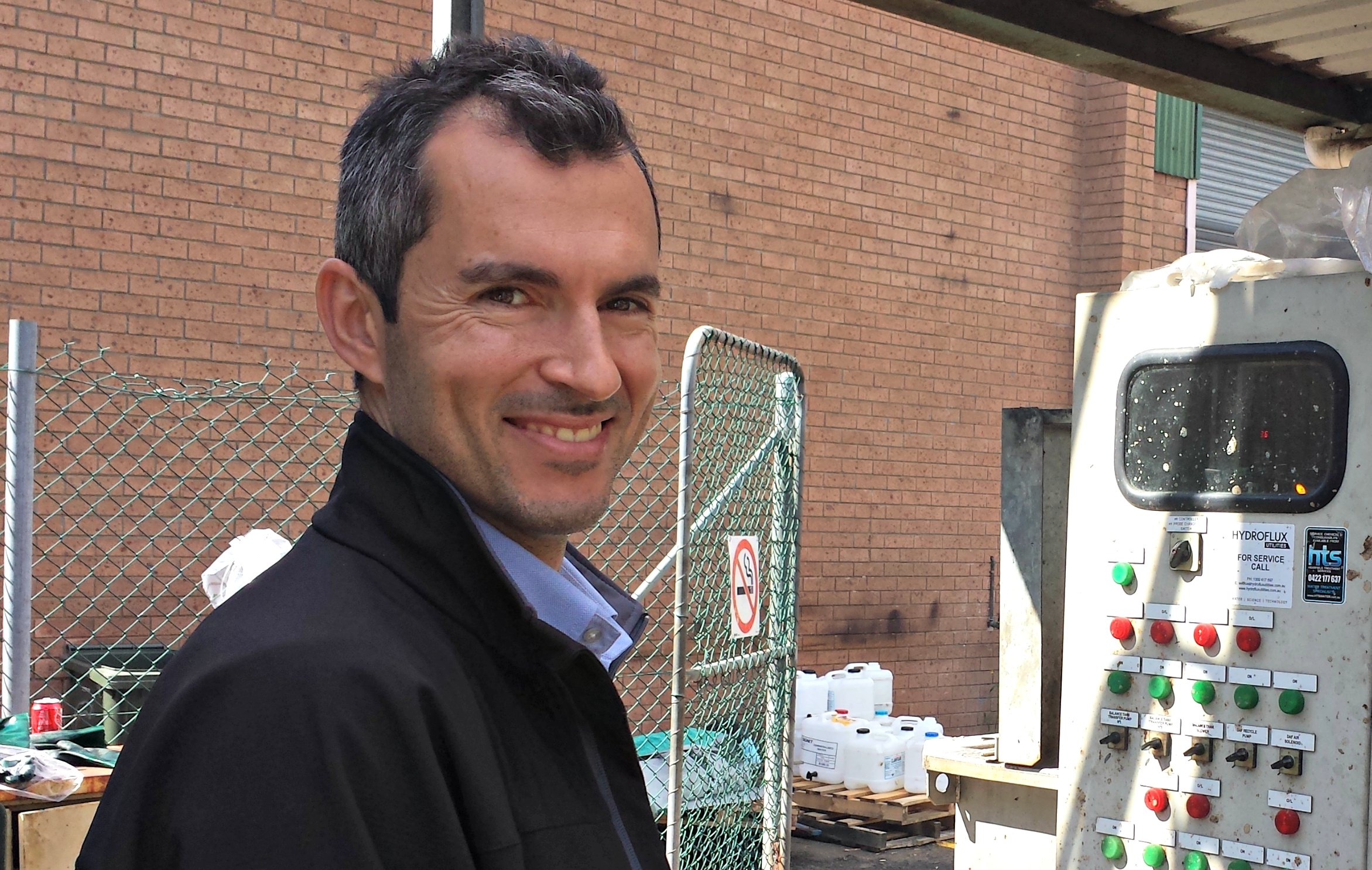
Sydney. Australia. Meet Massimo. Max (as we call him) is a Senior Technical Engineer here at BioGill. He joined us two years ago, having worked in the wastewater industry since 2004. Born and raised in Varese in Italy, from aged seven, Max knew he wanted to work with water. His first career ambition was to be a fireman. At senior school though, Max was drawn to science, engineering and mathematics and now holds a Master of Science degree in Environmental Engineering. Max has worked in the water and wastewater sector for more than thirteen years, designing and building water treatment plants both in Italy and Australia. He has a genuine commitment to improving the environment for the next generations.
Here are five things Max has learned about wastewater during his career.
1. Appearance can be deceptive. You can’t judge the quality and nutrient load in wastewater by merely looking at it. Sometimes, water samples can look crystal clear but in fact the BOD and COD loads are incredibly high.
2. All wastewater is different. No two wastewater streams are the same. Take sewage for example. Around the world, the makeup of sewage varies from region to region, country to country. Many things such as the type of toilet paper, diet, water restrictions and rainfall, all impact the composition of sewage. So while you may expect sewage to be similar, the organic makeup can vary considerably across the world.
3. Good pre-treatment is essential. What makes good treatment? The answer is simply pre-screening. This is particularly true for the biological stage of a treatment train. The old adage “You are what you eat” applies to microorganisms as well. If you want an effective, biological treatment stage, then giving your biology the right “diet” means screening out contaminants such as hair, plastic, rags and removing other non-biodegradable components.
4. Don’t take safe drinking water for granted. Around 1.8 billion people use a source of drinking water that is contaminated with faeces, putting them at risk of contracting disease such as cholera, dysentery, typhoid and polio. Across the world, there is an ever increasing need to better manage every part of the water cycle.
5. Green-tech water treatment. As energy costs spiral higher and greenhouse gas (GHG) emissions become a global issue, the demand for low energy, wastewater treatment solutions is increasing. This is particularly relevant in many APAC countries where electricity prices are high. Low cost and low energy technologies are key in making water and wastewater treatment more sustainable – globally.