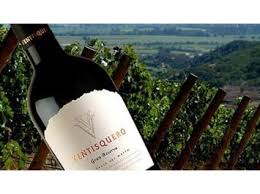
Chilean winery takes a lead in sustainable processes
in Latest News20 Jul 2017
San Pedro, Melipilla, Chile: As sustainability becomes an increasing focus for progressive vineyards around the world, a leading winemaker in Chile is stepping up to the challenge. Ventisquero, renowned for its modern, avant-garde wines and commitment to environmental best practices, is using a new biological technology, known as BioGill, to treat its winery wastewater onsite.
Leading the project is Ms Tatiana Arraño, CEO of Ingenieria Hydrosol, a BioGill Distributor in South America.
“To achieve international recognition and compete in global markets, wineries certainly need to produce quality wines, but moving to more sustainable practices is also a key driver,” says Ms Arraño.
The demonstration plant at Ventisquero was designed to assess how the BioGill technology handles highly variable influent levels. Winery wastewater can fluctuate significantly depending on the vintage and time of year. As such, the management team at Ventisquero wanted to see the technology in action, operating onsite under varying wastewater conditions.
The BioGill unit was installed parallel to the existing primary treatment, so variable influents were delivered to the BioGill system. Like most biological systems, BioGill has a recommended pH operating range of 6.5-8.5 to ensure the health of the microorganisms. However, during the demonstration, pH levels below 4.5 were tested. Similarly, the BOD levels were also varied, exceeding 6,500mg/L and at times even surpassing 10,000 mg/L. Despite these fluctuations, the BioGill Tower showed considerable resilience to shock-loads, removing 4.5kg of BOD on average in under 6 hours.
Commenting on the project results, Mr Felipe Cabrera, Operations Manager at Ventisquero, said, “We are very pleased with how the BioGill technology has performed given the wide variations in pH and BOD levels which were far outside the required operating guidelines for the plant.”
"This project has highlighted a simple yet effective solution we can implement to ensure we continue to reduce our environmental footprint. The modular and scalable nature of the technology will also allow us to upsize to a larger scale system as volumes increase,” he added.
According to Ms Arraño, while this treatment performance was more than acceptable, performance would be improved further with pH monitoring and adjusting. Hydrosol and BioGill are now designing a full scale treatment plant suited to the specific needs of Ventisquero.
“Across Chile, there are a number of ageing or poorly maintained wastewater plants which are not meeting regulatory requirements. Vineyards want a technology that is versatile, effective, simple to operate and easy to maintain, leaving them more time to do what they do best - make great wines,” added Ms Arraño.
For more information, please contact:
Ingenieria Hydrosol, Tatianna Arraño, Chief Executive Officer
P: +569 65 917 410 | E: [email protected] | http://www.hydrosol.cl