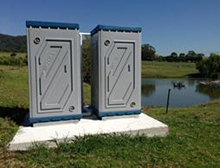

Depending on the nature of the organic material in the waste stream BioGills have, on average, a removal rate of 10,000-13,000 mg/L in a single day, although up to 50,000 mg/L of BOD from solution has also been achieved in a single day.
BioGills have successfully treated wastewaters that kill the biomass in other treatment systems.
Major benefits
1. Targeted biomass.
2. Simple trial process and evaluation.
3. Value adds to other technology in your treatment system.
4. Modular and scalable.
Learn more about BioGill Advantages
Targeted biomass
Conventional technologies use submerged cultures to biologically treat waste streams. The limiting factor with these technologies lies with the type of microbes that can propagate given the limited availability of oxygen. In the oxygen rich, above ground BioGill systems, specific bacteria and fungi can be cultured to target each particular waste stream.
Simple trial process and evaluation
BioGills can easily be trialed on a particular waste stream. Results from these trials are then simply scaled to the operating capacities of your manufacturing plant.
Value adds to other technology in your treatment system
Most complex industrial waste streams require various stages in the treatment process. These may include chemical dosing and filtration. Importantly, effective biological treatment improves the effectiveness of these other stages. This is where BioGill can also assist by controlling initial capital costs and reducing expensive maintenance and repairs.
By positioning BioGills upstream to remove fats, oils and grease prior to downstream filtration, BioGills can protects the other technologies in your system.
Modular and scalable
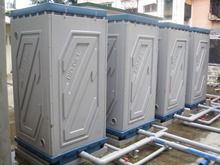
BioGills have been designed as a modular system and this provides flexibility to expand the system to meet increased production levels or to meet changes to discharge regulations.